Bible Reading: Luke 10:25-37 (Pasted Below)
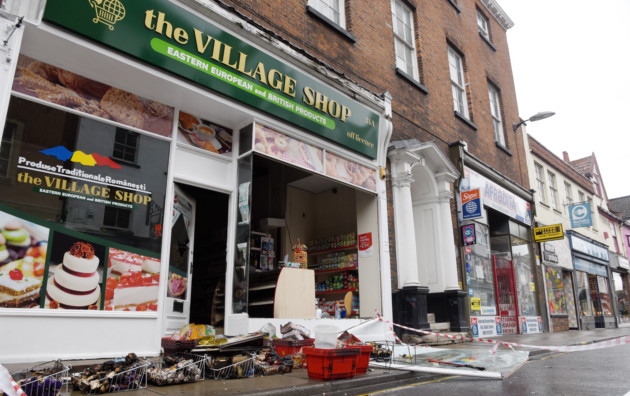 |
| ©Steve Adams, Eastern Daily Press 8th July 2016 |
As I was preparing for this week’s sermon, I read this quote and found myself really thinking about it.
“Sometimes, the lessons you think you already know are precisely the ones you still need to learn.”
“Sometimes, the lessons you think you already know are precisely the ones you still need to learn.”
Today, our Gospel reading is an incredibly familiar one – a man travels a dangerous road, gets beaten, robbed and left for dead. Two people (who should be willing to help him) pass by on the other side ignoring him while the third (who is the last
person who would be expected to help) is the one who actually does. Therefore, we should all be like the Good
Samaritan and help others, lesson over, we get it, the end. Right?
Well….sort of. It would be really
easy to dismiss this particular parable simply because we know it so well. But the beauty of the Bible is that there is
always something more we can glean, even from the most familiar passages. So, if we can, let’s try to put to one side
what we already know about this section of scripture and see if – together – we
can in fact glean something new.
person who would be expected to help) is the one who actually does. Therefore, we should all be like the Good
Samaritan and help others, lesson over, we get it, the end. Right?
Well….sort of. It would be really
easy to dismiss this particular parable simply because we know it so well. But the beauty of the Bible is that there is
always something more we can glean, even from the most familiar passages. So, if we can, let’s try to put to one side
what we already know about this section of scripture and see if – together – we
can in fact glean something new.
Let’s start by looking at the context of where and why Jesus
spoke this parable: This story comes
about because a lawyer is trying to test Jesus.
He wants to know how he can inherit eternal life, the ultimate “prize”
for any person of faith; the golden ticket.
Instead of immediately answering his question, Jesus asks the lawyer
what he already knows and believes. The
lawyer replies with some famous words from the Hebrew scriptures: “Love the Lord your God with all your heart,
with all your soul, with all your mind and with all your strength. And love your neighbour as yourself.” You see, the lawyer already knows the answer
to his own question, quite simply put: love God, love people. But lawyers by their very nature are masters
of the craft of words, they make a living from teasing out every last hint of
meaning in a word, in a guideline, a statute, a law. So for this lawyer, the simple fact of “the
greatest commandment” isn’t enough – he wants to tease out every ounce of
meaning from it. So while he can’t argue
with being asked to love either God or neighbour, there might just be a grey
area – who exactly is my neighbour?
Is it the person who lives geographically next door? Is it the people in my community? The people who are just like me? Who must I include in this designation? And, by association, if I understand who I
must include, then who am I allowed
to exclude? Who is not
my neighbour?
spoke this parable: This story comes
about because a lawyer is trying to test Jesus.
He wants to know how he can inherit eternal life, the ultimate “prize”
for any person of faith; the golden ticket.
Instead of immediately answering his question, Jesus asks the lawyer
what he already knows and believes. The
lawyer replies with some famous words from the Hebrew scriptures: “Love the Lord your God with all your heart,
with all your soul, with all your mind and with all your strength. And love your neighbour as yourself.” You see, the lawyer already knows the answer
to his own question, quite simply put: love God, love people. But lawyers by their very nature are masters
of the craft of words, they make a living from teasing out every last hint of
meaning in a word, in a guideline, a statute, a law. So for this lawyer, the simple fact of “the
greatest commandment” isn’t enough – he wants to tease out every ounce of
meaning from it. So while he can’t argue
with being asked to love either God or neighbour, there might just be a grey
area – who exactly is my neighbour?
Is it the person who lives geographically next door? Is it the people in my community? The people who are just like me? Who must I include in this designation? And, by association, if I understand who I
must include, then who am I allowed
to exclude? Who is not
my neighbour?
Jesus, as is so often the case, understands precisely what
the lawyer is asking, and more than likely, he also understands exactly what is
going on in the lawyer’s heart. He knows
who the lawyer already considers to be his “neighbour” and who he does not. Jesus could
have chosen to get into a legal discussion, he could have swapped arguments
with the lawyer and they could have sat there all day arguing their way through
every possible interpretation of the law until one or the other of them “won”
their “case”. But clearly, Jesus
understood that the path of wisdom is never to get into an argument with a
lawyer!
the lawyer is asking, and more than likely, he also understands exactly what is
going on in the lawyer’s heart. He knows
who the lawyer already considers to be his “neighbour” and who he does not. Jesus could
have chosen to get into a legal discussion, he could have swapped arguments
with the lawyer and they could have sat there all day arguing their way through
every possible interpretation of the law until one or the other of them “won”
their “case”. But clearly, Jesus
understood that the path of wisdom is never to get into an argument with a
lawyer!
So instead, he chose to tell the story of The Good
Samaritan. Now, the story itself is now
a very familiar one to us, but the social and ethnic elements around it are
perhaps less familiar. At that time, the
Jews believed that they were God’s chosen people. They believed they had the Hebrew law on
their side, the purity of their racial lines and the integrity and history of
their culture to prove it. In their
minds, they were basically the top dogs on the religious and cultural
heap. The Samaritans were a somewhat
“diluted” version of the Jews. They
lived in what had been the Northern Kingdom of Israel, located in between
Galilee in the north and Judea in the South.
Their ethnic and racial heritage was part Jewish and part pagan. To use a contemporary term, they were a “mixed
race” people. Even though they were essentially racial
“cousins” of the Jews, sharing many aspects of their heritage and faith, there
were deep divisions between the two peoples.
In fact, the divisions were so deep that if the Jews needed to travel,
they refused to even enter Samaritan territory but preferred to take a massive
detour all around the area and the feeling was entirely mutual.
Samaritan. Now, the story itself is now
a very familiar one to us, but the social and ethnic elements around it are
perhaps less familiar. At that time, the
Jews believed that they were God’s chosen people. They believed they had the Hebrew law on
their side, the purity of their racial lines and the integrity and history of
their culture to prove it. In their
minds, they were basically the top dogs on the religious and cultural
heap. The Samaritans were a somewhat
“diluted” version of the Jews. They
lived in what had been the Northern Kingdom of Israel, located in between
Galilee in the north and Judea in the South.
Their ethnic and racial heritage was part Jewish and part pagan. To use a contemporary term, they were a “mixed
race” people. Even though they were essentially racial
“cousins” of the Jews, sharing many aspects of their heritage and faith, there
were deep divisions between the two peoples.
In fact, the divisions were so deep that if the Jews needed to travel,
they refused to even enter Samaritan territory but preferred to take a massive
detour all around the area and the feeling was entirely mutual.
So this makes it all the more extraordinary that at the
moment this story is told, Jesus is choosing to travel through and not around Samaritan territory. He is refusing to uphold the geographic
barriers that have become part and parcel of the Jewish/Samaritan
division. And when he tells the story to
a Jewish audience of a Samaritan who is good, he is not just telling a story
about being good and kind and loving towards those who need help (although of
course those elements are there), he is also challenging a deep social, ethnic
and cultural division that has become racism.
Two people who, geographically, live as neighbours have, socially and
culturally become completely and utterly divided from one another and Jesus is
challenging them to find a way to heal that division through and as part of
their faith.
moment this story is told, Jesus is choosing to travel through and not around Samaritan territory. He is refusing to uphold the geographic
barriers that have become part and parcel of the Jewish/Samaritan
division. And when he tells the story to
a Jewish audience of a Samaritan who is good, he is not just telling a story
about being good and kind and loving towards those who need help (although of
course those elements are there), he is also challenging a deep social, ethnic
and cultural division that has become racism.
Two people who, geographically, live as neighbours have, socially and
culturally become completely and utterly divided from one another and Jesus is
challenging them to find a way to heal that division through and as part of
their faith.
Well, so what? This
isn’t relevant to us is it? A vast
majority of the Samaritans are long gone, rendered virtually extinct by time
and history. So the divide of two
people’s who lived next and among one another is basically irrelevant to
us…isn’t it?
isn’t relevant to us is it? A vast
majority of the Samaritans are long gone, rendered virtually extinct by time
and history. So the divide of two
people’s who lived next and among one another is basically irrelevant to
us…isn’t it?
Recent Newspaper Headlines
and Tweets:
and Tweets:
“Anti-Polish cards in Huntingdon
after EU Referendum. Cards containing
the words, ‘No more Polish vermin’ have been distributed to homes and schools.”
after EU Referendum. Cards containing
the words, ‘No more Polish vermin’ have been distributed to homes and schools.”
“My Facebook feed includes one
black friend who was told to ‘pack her bags and go home’ five times in 25
minutes.”
black friend who was told to ‘pack her bags and go home’ five times in 25
minutes.”
“This evening, my daughter left
work in Birmingham and saw a group of lads corner a Muslim girl shouting, ‘Get
out, we voted leave.’”
work in Birmingham and saw a group of lads corner a Muslim girl shouting, ‘Get
out, we voted leave.’”
“My mum works at a primary
school, a Latvian parent turned up on Friday morning to drop off her kid in
tears saying, ‘they don’t want me here.’”
school, a Latvian parent turned up on Friday morning to drop off her kid in
tears saying, ‘they don’t want me here.’”
“Last night a Sikh radiographer
colleague of mine was told by a patient, ‘shouldn’t you be on a plane back to
Pakistan? We voted you out.’”
colleague of mine was told by a patient, ‘shouldn’t you be on a plane back to
Pakistan? We voted you out.’”
“While I was campaigning, I was
speaking to a black woman. A white man
walked past and called her the N word.”
speaking to a black woman. A white man
walked past and called her the N word.”
“Shop owner describes arson
attack at Easter European store in Magdalen Street, Norwich.”
attack at Easter European store in Magdalen Street, Norwich.”
“Been standing here five
minutes. Three different people have
shouted, ‘send them home.’”
minutes. Three different people have
shouted, ‘send them home.’”
“On Friday morning, I posted a
tweet about the Conservative party. Then
I got a reply saying I should pack my bags and go home – I was born in
Caerphilly in Wales.”
tweet about the Conservative party. Then
I got a reply saying I should pack my bags and go home – I was born in
Caerphilly in Wales.”
“The National Police Chiefs’
Council said there had been a 57% rise in reports to a hate crime reporting
website between Thursday and Sunday compared with the previous month.”
Council said there had been a 57% rise in reports to a hate crime reporting
website between Thursday and Sunday compared with the previous month.”
“What is happening to our
country? We will look back at this time
as a dark time in the UK. I feel we have
gone tumbling backwards in history.”
country? We will look back at this time
as a dark time in the UK. I feel we have
gone tumbling backwards in history.”
Who is my neighbour?
Who must I include in the requirement to love my neighbour and,
therefore, can I exclude? The tragic
reality is that the result of the vote to leave the European Union has
unleashed a wave of racism and hate crime in our country. And there are people throughout the UK, even
those who were born here and those whose ethnic heritage is not even part of
the EU who now feel unwelcome, vulnerable, and afraid. Many are the targets of racist attacks in a
way that has not been seen for a long time.
And at this precise moment in time, I’m not particularly interested in
how each one of us voted or in the reasons why, that’s a conversation for
another time. What I am interested in, is what we – every
single one of us – are going to do next.
No matter what political positions each one of us hold, we have a
Christian imperative to love our neighbours, and where we see a neighbour in
need, to put aside our own concerns, our own fears, our own busyness and make a
conscious choice to help. Love the Lord
your God with all your heart, soul, mind and strength, and love your neighbour as yourself. Who is my neighbour? Your neighbour is the person who needs your
help.
Who must I include in the requirement to love my neighbour and,
therefore, can I exclude? The tragic
reality is that the result of the vote to leave the European Union has
unleashed a wave of racism and hate crime in our country. And there are people throughout the UK, even
those who were born here and those whose ethnic heritage is not even part of
the EU who now feel unwelcome, vulnerable, and afraid. Many are the targets of racist attacks in a
way that has not been seen for a long time.
And at this precise moment in time, I’m not particularly interested in
how each one of us voted or in the reasons why, that’s a conversation for
another time. What I am interested in, is what we – every
single one of us – are going to do next.
No matter what political positions each one of us hold, we have a
Christian imperative to love our neighbours, and where we see a neighbour in
need, to put aside our own concerns, our own fears, our own busyness and make a
conscious choice to help. Love the Lord
your God with all your heart, soul, mind and strength, and love your neighbour as yourself. Who is my neighbour? Your neighbour is the person who needs your
help.
Ok, but what can we do about it? Where can we possibly start to even try to help? This is a good
place to begin:
place to begin:
“An American named Allison, who
lives in the UK, has started a campaign urging people to wear a safety pin on
their clothes to show their opposition to racism and let anyone suffering abuse
know that the wearer is on their side.”
lives in the UK, has started a campaign urging people to wear a safety pin on
their clothes to show their opposition to racism and let anyone suffering abuse
know that the wearer is on their side.”
The wearing of a simple, unadorned safety pin, visibly
pinned to our clothing represents a willingness to stand up and be counted. To silently say, “Not in my name.” I am a safe person, if you feel afraid, come
and sit next to me, come and tell me you need help, understand that you are my
neighbour.
pinned to our clothing represents a willingness to stand up and be counted. To silently say, “Not in my name.” I am a safe person, if you feel afraid, come
and sit next to me, come and tell me you need help, understand that you are my
neighbour.
This safety pin campaign has gained so much strength that
this week, the national Methodist Conference has, “unanimously
passed a resolution calling for respect and tolerance in our national life…”
and has “encouraged Methodist people to join the
campaign to wear an empty safety pin as a badge encouraging solidarity against
racism.” The Conference has also
called on Methodist people to write to their MP’s asking them to “challenge racism and discrimination.”
this week, the national Methodist Conference has, “unanimously
passed a resolution calling for respect and tolerance in our national life…”
and has “encouraged Methodist people to join the
campaign to wear an empty safety pin as a badge encouraging solidarity against
racism.” The Conference has also
called on Methodist people to write to their MP’s asking them to “challenge racism and discrimination.”
Now I’m not Methodist, but the Methodist’s are most
definitely “my neighbours” and I think this is a very good idea and one that we
as Anglicans should also encourage and support.
So today, when you come to the altar for communion, you will find that
our verger will be holding a basket of empty safety pins and I would like to
encourage every person here to take one and to wear it. And heaven forbid, if you encounter or
witness any act of racism in the coming days or weeks, stand up for your
neighbours and be willing to help them.
Because this forms a key part of the Greatest Commandment and Jesus
himself taught that this is precisely what we, as Christians, should be willing
to do. Amen.
definitely “my neighbours” and I think this is a very good idea and one that we
as Anglicans should also encourage and support.
So today, when you come to the altar for communion, you will find that
our verger will be holding a basket of empty safety pins and I would like to
encourage every person here to take one and to wear it. And heaven forbid, if you encounter or
witness any act of racism in the coming days or weeks, stand up for your
neighbours and be willing to help them.
Because this forms a key part of the Greatest Commandment and Jesus
himself taught that this is precisely what we, as Christians, should be willing
to do. Amen.
Bible Reading: Luke 10:25-37
25 One day an expert on Moses’ laws came to test Jesus’ orthodoxy by asking him this question: “Teacher, what does a man need to do to live forever in heaven?”
26 Jesus replied, “What does Moses’ law say about it?”
27 “It says,” he replied, “that you must love the Lord your God with all your heart, and with all your soul, and with all your strength, and with all your mind. And you must love your neighbor just as much as you love yourself.”
28 “Right!” Jesus told him. “Do this and you shall live!”
29 The man wanted to justify his lack of love for some kinds of people,<span class=”footnote” data-fn=”#fen-TLB-22604d” data-link=”[d]” style=”box-sizing: border-box; font-size: 0.625em; line-height: 22px; position: relative; top: 0px; vertical-align: top;”>[d] so he asked, “Which neighbors?”
30 Jesus replied with an illustration: “A Jew going on a trip from Jerusalem to Jericho was attacked by bandits. They stripped him of his clothes and money, and beat him up and left him lying half dead beside the road.
31 “By chance a Jewish priest came along; and when he saw the man lying there, he crossed to the other side of the road and passed him by. 32 A Jewish Temple-assistant<span class=”footnote” data-fn=”#fen-TLB-22607e” data-link=”[e]” style=”box-sizing: border-box; font-size: 0.625em; line-height: 22px; position: relative; top: 0px; vertical-align: top;”>[e] walked over and looked at him lying there, but then went on.
33 “But a despised Samaritan<span class=”footnote” data-fn=”#fen-TLB-22608f” data-link=”[f]” style=”box-sizing: border-box; font-size: 0.625em; line-height: 22px; position: relative; top: 0px; vertical-align: top;”>[f] came along, and when he saw him, he felt deep pity. 34 Kneeling beside him the Samaritan soothed his wounds with medicine and bandaged them. Then he put the man on his donkey and walked along beside him till they came to an inn, where he nursed him through the night.<span class=”footnote” data-fn=”#fen-TLB-22609g” data-link=”[g]” style=”box-sizing: border-box; font-size: 0.625em; line-height: 22px; position: relative; top: 0px; vertical-align: top;”>[g] 35 The next day he handed the innkeeper two twenty-dollar bills<span class=”footnote” data-fn=”#fen-TLB-22610h” data-link=”[h]” style=”box-sizing: border-box; font-size: 0.625em; line-height: 22px; position: relative; top: 0px; vertical-align: top;”>[h] and told him to take care of the man. ‘If his bill runs higher than that,’ he said, ‘I’ll pay the difference the next time I am here.’
36 “Now which of these three would you say was a neighbor to the bandits’ victim?”
37 The man replied, “The one who showed him some pity.”
Then Jesus said, “Yes, now go and do the same.”
Normal
0
false
false
false
EN-US
JA
X-NONE
/* Style Definitions */
table.MsoNormalTable
{mso-style-name:”Table Normal”;
mso-tstyle-rowband-size:0;
mso-tstyle-colband-size:0;
mso-style-noshow:yes;
mso-style-priority:99;
mso-style-parent:””;
mso-padding-alt:0cm 5.4pt 0cm 5.4pt;
mso-para-margin:0cm;
mso-para-margin-bottom:.0001pt;
mso-pagination:widow-orphan;
font-size:12.0pt;
font-family:Cambria;
mso-ascii-font-family:Cambria;
mso-ascii-theme-font:minor-latin;
mso-hansi-font-family:Cambria;
mso-hansi-theme-font:minor-latin;
mso-ansi-language:EN-US;}
 Life In Holland