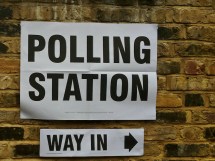
 This week has seen a momentous decision taken by the British public as the vote to leave the
European Union secured 52% while the vote to remain secured 48%. The turnout of voters was among the highest in
recent history with 72.2% of eligible voters casting a ballot. Within hours the Prime Minister had tendered
his resignation and opinions were being freely exchanged across television
screens, newspapers, social media and in conversations wherever I went.
This morning, I’m not going
to tell you which way I voted and nor am I going to ask which way you
voted. The reason for that isn’t any
great secret but the fact of who voted which way isn’t the subject I wish to
linger on today – the political pundits are doing rather a lot of that. What I am more interested in is the question
of what happens next? How do we respond both to the vote itself and
to those around us as we discuss the result?
to tell you which way I voted and nor am I going to ask which way you
voted. The reason for that isn’t any
great secret but the fact of who voted which way isn’t the subject I wish to
linger on today – the political pundits are doing rather a lot of that. What I am more interested in is the question
of what happens next? How do we respond both to the vote itself and
to those around us as we discuss the result?
On Friday morning as I woke
up to the news of the vote to leave, I logged onto Facebook as I often do. There, I was confronted by some friends who
were absolutely jubilant, and others who were absolutely heartbroken. That in itself is perhaps understandable
because this decision stirred big emotions and has the potential for huge
changes in our nation; but what I saw next was very worrying. As the news spread, I saw battle lines being
drawn: those who had voted to leave were
repeatedly being described as selfish, racist, xenophobic, manipulated by the
media and responsible for the imminent downfall of Great Britain. Then I saw those who had voted to remain
being described as sore losers, alarmists, out of touch, the political elite, scare-mongerers,
and unwilling to listen to the majority.
It was in many ways like watching a pair of cats fight, as usually good,
kind, people rolled over and over in the dirt spitting, snarling and yowling as
the fur flew and as each one yelped in pain but neither was willing to walk
away from the fight.
up to the news of the vote to leave, I logged onto Facebook as I often do. There, I was confronted by some friends who
were absolutely jubilant, and others who were absolutely heartbroken. That in itself is perhaps understandable
because this decision stirred big emotions and has the potential for huge
changes in our nation; but what I saw next was very worrying. As the news spread, I saw battle lines being
drawn: those who had voted to leave were
repeatedly being described as selfish, racist, xenophobic, manipulated by the
media and responsible for the imminent downfall of Great Britain. Then I saw those who had voted to remain
being described as sore losers, alarmists, out of touch, the political elite, scare-mongerers,
and unwilling to listen to the majority.
It was in many ways like watching a pair of cats fight, as usually good,
kind, people rolled over and over in the dirt spitting, snarling and yowling as
the fur flew and as each one yelped in pain but neither was willing to walk
away from the fight.
And as someone who had a
vote, who used her vote and who is also an immigrant to this great nation, I
began to wonder what we were doing to one another – not because of the result
itself, but in how we are treating one another, how we are speaking to and
about one another and how, or indeed if, our faith is included in the mix.
vote, who used her vote and who is also an immigrant to this great nation, I
began to wonder what we were doing to one another – not because of the result
itself, but in how we are treating one another, how we are speaking to and
about one another and how, or indeed if, our faith is included in the mix.
In our Epistle reading today,
St Paul speaks of some huge concepts starting with slavery and freedom. He
argues that our faith in Christ means we have been set free from the burdens of
a rigid law that had become impossible to fulfil, but our freedom is not to be
used as an opportunity to be self-indulgent, but rather to serve one another in
love. He says: “For
the whole law is summed up in a single commandment, ‘You shall love your
neighbour as yourself. If however you
bite and devour one another, take care that you are not consumed by one
another.”
St Paul speaks of some huge concepts starting with slavery and freedom. He
argues that our faith in Christ means we have been set free from the burdens of
a rigid law that had become impossible to fulfil, but our freedom is not to be
used as an opportunity to be self-indulgent, but rather to serve one another in
love. He says: “For
the whole law is summed up in a single commandment, ‘You shall love your
neighbour as yourself. If however you
bite and devour one another, take care that you are not consumed by one
another.”
I wonder, at the moment, are we loving our neighbours
just as much as we love ourselves? Well,
those of our neighbours who took the same political position as we did are
probably fairly easy to love but what about those neighbours who took the
opposite view? I wonder how easy you
find it to love them…or does it seem easier to bite and devour one another with
your opposing views and through the exchange of harsh words?
just as much as we love ourselves? Well,
those of our neighbours who took the same political position as we did are
probably fairly easy to love but what about those neighbours who took the
opposite view? I wonder how easy you
find it to love them…or does it seem easier to bite and devour one another with
your opposing views and through the exchange of harsh words?
There were many harsh words exchanged on both
sides of the argument over the two months leading up to the referendum. The debate was harsh, the lines were drawn in
black and white, the question made so simple that it seemed there could only be
winners and losers. And I wonder if the
very tone of the debate contributed to the result itself? When we dig our heels in, in any argument,
and become determined that we are 100% right then this automatically means that
those on the other side must be 100% wrong.
And what happens next is that we stop listening. We vilify other people in our families, in
our churches and in our communities and we paint them as “bad people” because
they do not agree with us. And that’s
the point when both communication and communities start to break down. We have drawn our battle lines and we find
ourselves unable to cross them to see the humanity of those on the other side. Civil wars have been triggered over less.
sides of the argument over the two months leading up to the referendum. The debate was harsh, the lines were drawn in
black and white, the question made so simple that it seemed there could only be
winners and losers. And I wonder if the
very tone of the debate contributed to the result itself? When we dig our heels in, in any argument,
and become determined that we are 100% right then this automatically means that
those on the other side must be 100% wrong.
And what happens next is that we stop listening. We vilify other people in our families, in
our churches and in our communities and we paint them as “bad people” because
they do not agree with us. And that’s
the point when both communication and communities start to break down. We have drawn our battle lines and we find
ourselves unable to cross them to see the humanity of those on the other side. Civil wars have been triggered over less.
St Paul goes on to say that
as Christians, we should “live by the Spirit, and not gratify the desires of
the flesh.” So first, let’s look at some
of those things he puts into the category of “flesh” – enmity, strife, anger,
quarrels, dissension, factions. These
are the things that leave people drawing battle lines in the sand based on who
is right and who is wrong and these are the things that come naturally when we
are upset, disappointed or hurt and these are also the things that tear
communities, families and churches apart.
And this is why St Paul warned us against them. It is very tempting to allow these things to
rule our hearts and our lives but if we do, then we are living in the flesh and
we are choosing slavery.
as Christians, we should “live by the Spirit, and not gratify the desires of
the flesh.” So first, let’s look at some
of those things he puts into the category of “flesh” – enmity, strife, anger,
quarrels, dissension, factions. These
are the things that leave people drawing battle lines in the sand based on who
is right and who is wrong and these are the things that come naturally when we
are upset, disappointed or hurt and these are also the things that tear
communities, families and churches apart.
And this is why St Paul warned us against them. It is very tempting to allow these things to
rule our hearts and our lives but if we do, then we are living in the flesh and
we are choosing slavery.
By contrast, Paul then moves
to the flip side because he doesn’t stop with a long list of what we shouldn’t
do, he continues on to tell how we can begin to rebuild, how we can find our
way back to one another, how we can heal the divisions among us. Paul says, “By contrast, the fruit of the
Spirit is love, joy, peace, patience, kindness, generosity, faithfulness,
gentleness and self-control. There is no law against these things.”
to the flip side because he doesn’t stop with a long list of what we shouldn’t
do, he continues on to tell how we can begin to rebuild, how we can find our
way back to one another, how we can heal the divisions among us. Paul says, “By contrast, the fruit of the
Spirit is love, joy, peace, patience, kindness, generosity, faithfulness,
gentleness and self-control. There is no law against these things.”
Some of you here today will
be deeply saddened by the results of this vote, you will be worried about what
happens next and you may even feel angry with those who voted to leave. Some of you here today will be filled with
joy at the result of this vote; you will see this as a good thing and will be
looking forward to the next steps. And
each one of you will be absolutely convinced that your position is the right
one. But as much as you had a choice to
make this past Thursday, you also have a choice to make in the days, weeks,
months and years ahead. Will you draw
battle lines between one another with anger, quarrels, dissensions and factions
and choose to live in the slavery of the flesh?
Or will you choose to find a way to live with one another by
demonstrating patience, kindness, generosity and self-control and so allow the
Spirit to live in you and flow out through you?
be deeply saddened by the results of this vote, you will be worried about what
happens next and you may even feel angry with those who voted to leave. Some of you here today will be filled with
joy at the result of this vote; you will see this as a good thing and will be
looking forward to the next steps. And
each one of you will be absolutely convinced that your position is the right
one. But as much as you had a choice to
make this past Thursday, you also have a choice to make in the days, weeks,
months and years ahead. Will you draw
battle lines between one another with anger, quarrels, dissensions and factions
and choose to live in the slavery of the flesh?
Or will you choose to find a way to live with one another by
demonstrating patience, kindness, generosity and self-control and so allow the
Spirit to live in you and flow out through you?
The process of reconciliation
when peoples and a country are divided is hard, it can be painful but the very
steps involve being willing to truly and deeply listen to one another: So if you voted to remain, then I would
encourage you now to truly listen to the reasons why those who voted to leave did so, even if that’s hard and even
if you disagree. And if you voted to
leave, then I would also encourage you to truly listen to the reasons why those who voted to remain did so,
even if that’s hard and even if you disagree.
Listening to one another’s deep and heartfelt experience is not easy but
it’s the only way we can now move forward and work together because if we want
to live by the Spirit, then we must also allow ourselves to be guided by the
Spirit.
when peoples and a country are divided is hard, it can be painful but the very
steps involve being willing to truly and deeply listen to one another: So if you voted to remain, then I would
encourage you now to truly listen to the reasons why those who voted to leave did so, even if that’s hard and even
if you disagree. And if you voted to
leave, then I would also encourage you to truly listen to the reasons why those who voted to remain did so,
even if that’s hard and even if you disagree.
Listening to one another’s deep and heartfelt experience is not easy but
it’s the only way we can now move forward and work together because if we want
to live by the Spirit, then we must also allow ourselves to be guided by the
Spirit.
May those of you who hurt be
comforted. May those of you who rejoice
be blessed. And may we all find the
strength to listen to each other and work together on the next steps. Amen.
comforted. May those of you who rejoice
be blessed. And may we all find the
strength to listen to each other and work together on the next steps. Amen.
 Life In Holland